

Braille and Tactile Signage in Dubai
Falcon Advertising produces Braille and tactile signage in Dubai — room numbers, door signs, wayfinding and tactile maps. The Dubai Universal Design Code sets how these are built: Grade One Braille, positioned at the bottom left of the sign and inset between 10 and 30 mm from the left edge and bottom. Fabrication and installation are carried out by a licensed partner.
- Price
- Get your quote today
- Turnaround
- Confirmed with your quote
- Artwork
- Included
- Languages
- Arabic & English
- Delivery
- Dubai and across the UAE
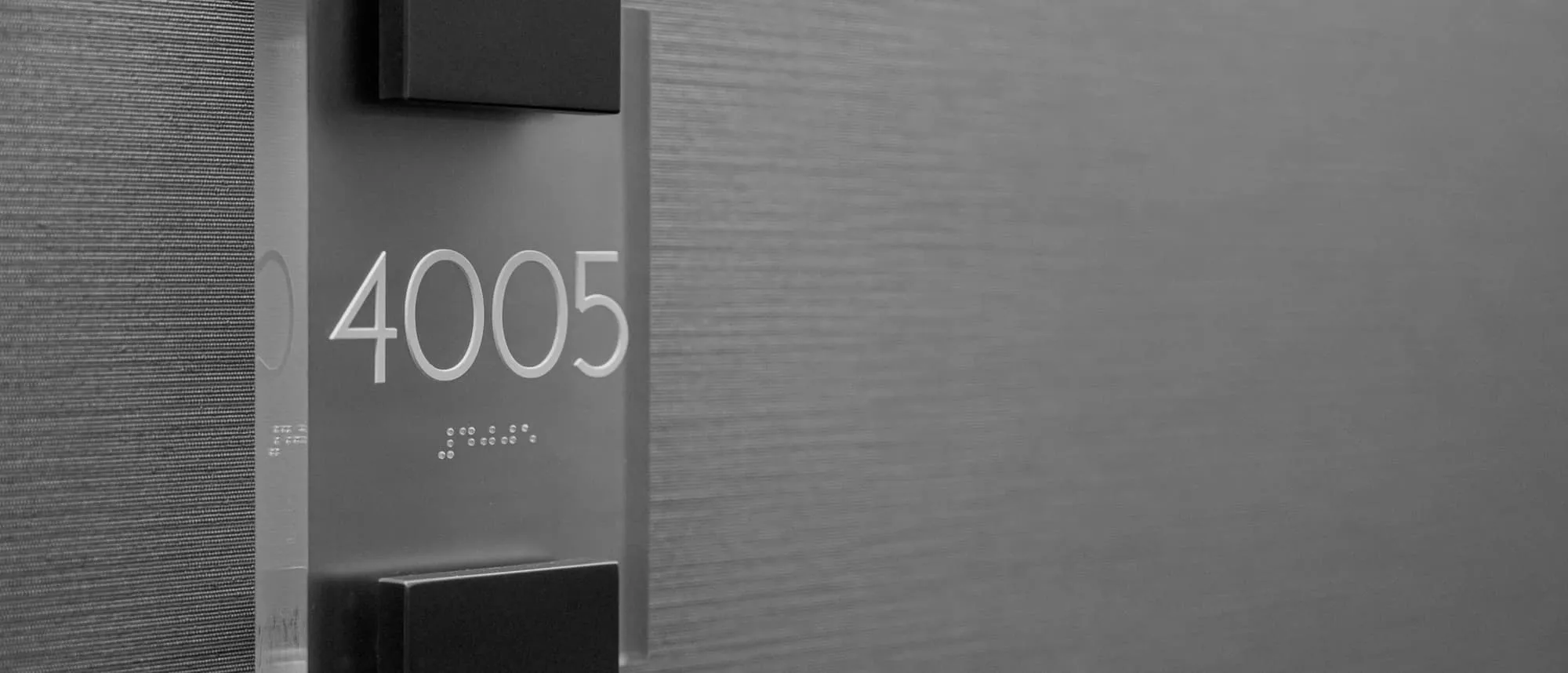
Specifications
What you can order
If what you need is not listed, ask — this is what we make most often, not a limit.
| Braille grade | Grade One Braille, meeting the English standards, as the Dubai Universal Design Code requires. |
|---|---|
| Braille position | Bottom left of the sign, inset a minimum of 10 mm and a maximum of 30 mm from the left side and from the bottom. This is a code requirement, not a layout preference. |
| Sign types | Room numbers and door signs · directional and wayfinding · floor directories · tactile maps · facility and amenity signs |
| Materials | Photopolymer, raised acrylic, or engraved and infilled plate, depending on the sign type and the specifier. |
| Tactile maps | Font at least 20 mm in a sans serif face, Braille included, symbols differentiated by form, colour and texture. Horizontal fixed maps up to 800 × 450 mm. |
| Map mounting | Wall-mounted: centred between 1250 and 1750 mm above the floor. Horizontal or inclined: 900 to 1200 mm, tilted 30° to 45° from horizontal. |
| Contrast | Lettering and signs must contrast with the background colour. Contrast is a code requirement, not a design choice. |
| Languages | Arabic and English, with the Arabic set right-to-left as proper joined letterforms. |
Build your specification
Choose what you need and send it over. Your selection arrives with the enquiry, so the quote comes back against the exact specification rather than a guess at it.
What's included
In the price you are quoted
- Layout set to the Braille position and inset the code specifies
- Arabic typeset properly, not pasted in as an image
- A proof at actual size before anything is manufactured
- Free corrections at proof stage
- Delivery across Dubai
The American standard does not transfer
This is the single most useful thing on this page.
A great deal of the braille signage guidance online is written for the American ADA standard, and a lot of it is produced by vendors who work to that standard. Dubai has its own: the Dubai Universal Design Code. The two are not interchangeable, and signage built only to ADA figures can fail inspection here.
If a supplier quotes you ADA dimensions for a Dubai project without mentioning the DUDC, that is worth a second question before you order.
What the code is specific about
Some things the code dimensions precisely, and those are the ones to design around from the start rather than adjust afterwards.
Braille position. Bottom left of the sign, inset a minimum of 10 mm and a maximum of 30 mm from the left side and from the bottom. Not centred, not ranged right, not wherever the layout leaves room.
Braille grade. Grade One, meeting the English standards. Grade One is uncontracted — spelled letter by letter — which takes more width than contracted Braille and has to be allowed for in the layout rather than discovered at proof.
Contrast. Lettering and signs must contrast with the background colour. A brand palette of tonally similar greys is a problem to solve at design stage.
Tactile maps have their own set: lettering at least 20 mm in a sans serif face, Braille included, symbols differentiated by form, colour and texture, and horizontal fixed maps up to 800 × 450 mm. Wall-mounted maps are centred between 1250 and 1750 mm above the floor; horizontal or inclined maps sit between 900 and 1200 mm, tilted 30° to 45°.
Placement is specified too — on the accessible path, marked with a tactile orientation and warning surface, well lit, not behind glass. In large buildings the map goes near the main entrance on the right, within 1000 mm. In multi-storey buildings, near the stairs or the lift.
What we will not put a number on
Character heights and raised letter depths. We could find a figure and print it, and several sites do, but those vary by sign type and by the authority reviewing your project, and the published figures are revised.
Getting that wrong means manufacturing signage that has to be remade. Confirm the current figures with the authority for your building before anything is cut — it is a short conversation, and it is cheaper than the alternative by a wide margin.
It is usually discovered late
The pattern we see is that accessibility signage is specified at fit-out sign-off rather than at design stage, which is the expensive moment to discover it. The Braille band needs width. The contrast requirement constrains the palette. The map needs a position on the accessible path with a warning surface in front of it.
All of that is straightforward if it is known at the start and awkward if it is not. If you are fitting out, ask the question early.
Where Falcon fits
We set the artwork — Braille positioned and inset to the code, Arabic typeset properly rather than pasted in as an image, contrast checked against the background. Fabrication and installation are carried out by a licensed Dubai partner.
We are not accessibility consultants and we do not certify compliance. What we can do is make sure the artwork going to manufacture is built to what the code actually specifies rather than to what a template from another country assumes.
Source
The requirements cited on this page are from the Dubai Universal Design Code, sections on signage and tactile maps. Checked October 2026. Codes are revised — verify before you rely on this.
Questions
Braille & tactile signage: Common questions
Do ADA braille specifications apply in Dubai?
No, and assuming they do is the most expensive mistake in this category. The Dubai Universal Design Code is a separate document with its own requirements, and signage built only to the American ADA standard can fail a Dubai inspection. If a supplier quotes you ADA figures for a Dubai project without mentioning the DUDC, treat that as a reason to ask more questions.
Where exactly does the Braille go on the sign?
The Dubai Universal Design Code places it at the bottom left, inset a minimum of 10 mm and a maximum of 30 mm from the left side and from the bottom of the sign. That is a dimensioned requirement rather than a convention, so it is one of the things we set first and design the rest of the sign around.
Which grade of Braille is required?
Grade One Braille, meeting the English standards, is what the code calls for. Grade One is letter-by-letter rather than contracted, which makes it longer on the sign but unambiguous to read — worth knowing because it affects how much space the Braille band needs.
What are the character heights and raised depths?
We are not going to publish a figure here. The sections of the code we can cite publicly specify Braille position and tactile map dimensions, but character heights and raised depths vary by sign type and by the authority reviewing your project, and published figures are revised. Confirm them with the authority for your building before anything is manufactured — that is a short conversation, and remaking non-compliant signage is not.
Do we need tactile signage, or is it optional?
That depends on your building type, its use and the authority with jurisdiction, so it is a question for your consultant or the reviewing authority rather than for a printer. What we can say is that it is required far more widely than most businesses expect, and it is usually discovered late — at fit-out sign-off rather than at design stage.
Can you do the tactile map for a building entrance?
Yes. The code is specific about these: at least 20 mm sans serif lettering, Braille included, symbols differentiated by form, colour and texture, and placement on the accessible path with a tactile warning surface, well lit and clear of glass protection. In large buildings it sits near the main entrance on the right, within 1000 mm.
Related
Often ordered together
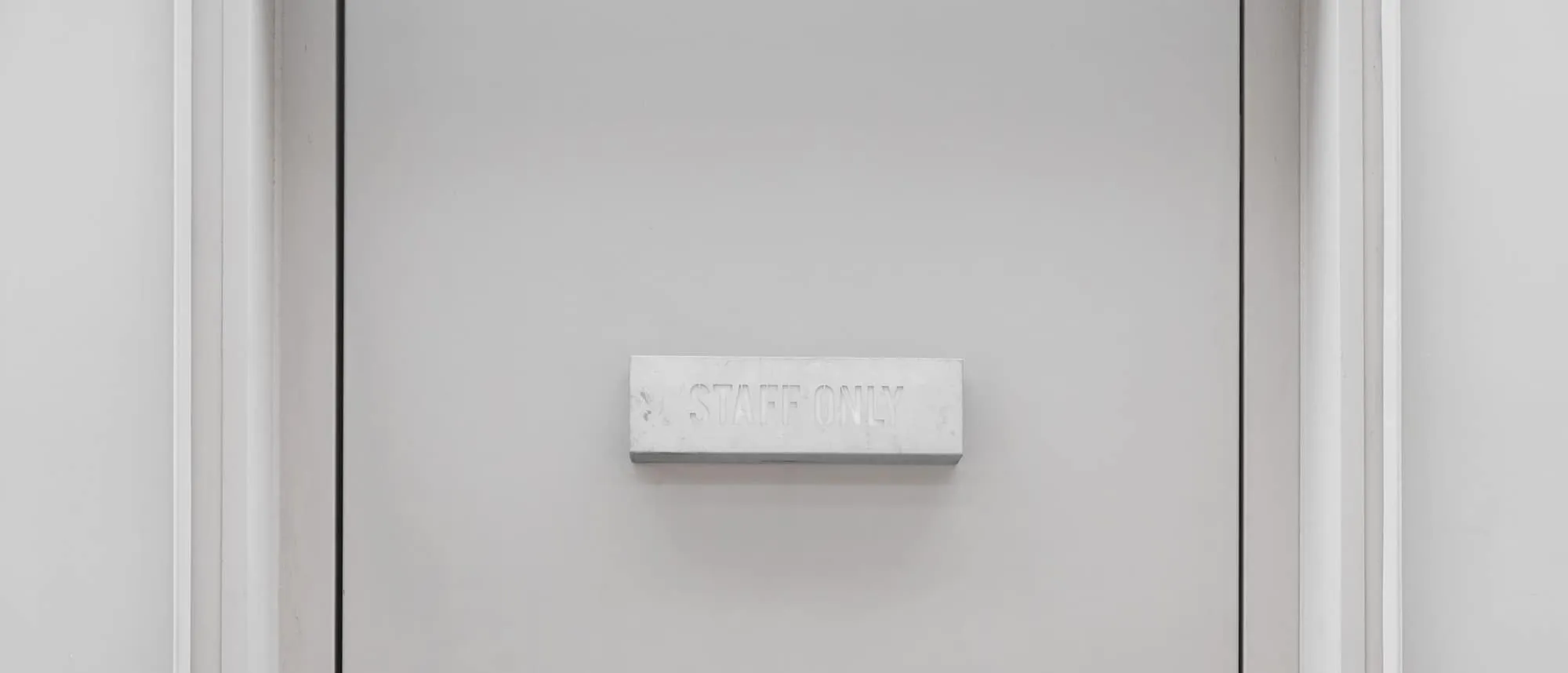
Engraved nameplates
Door plates, desk nameplates and floor directories in acrylic, steel or brass — bilingual.
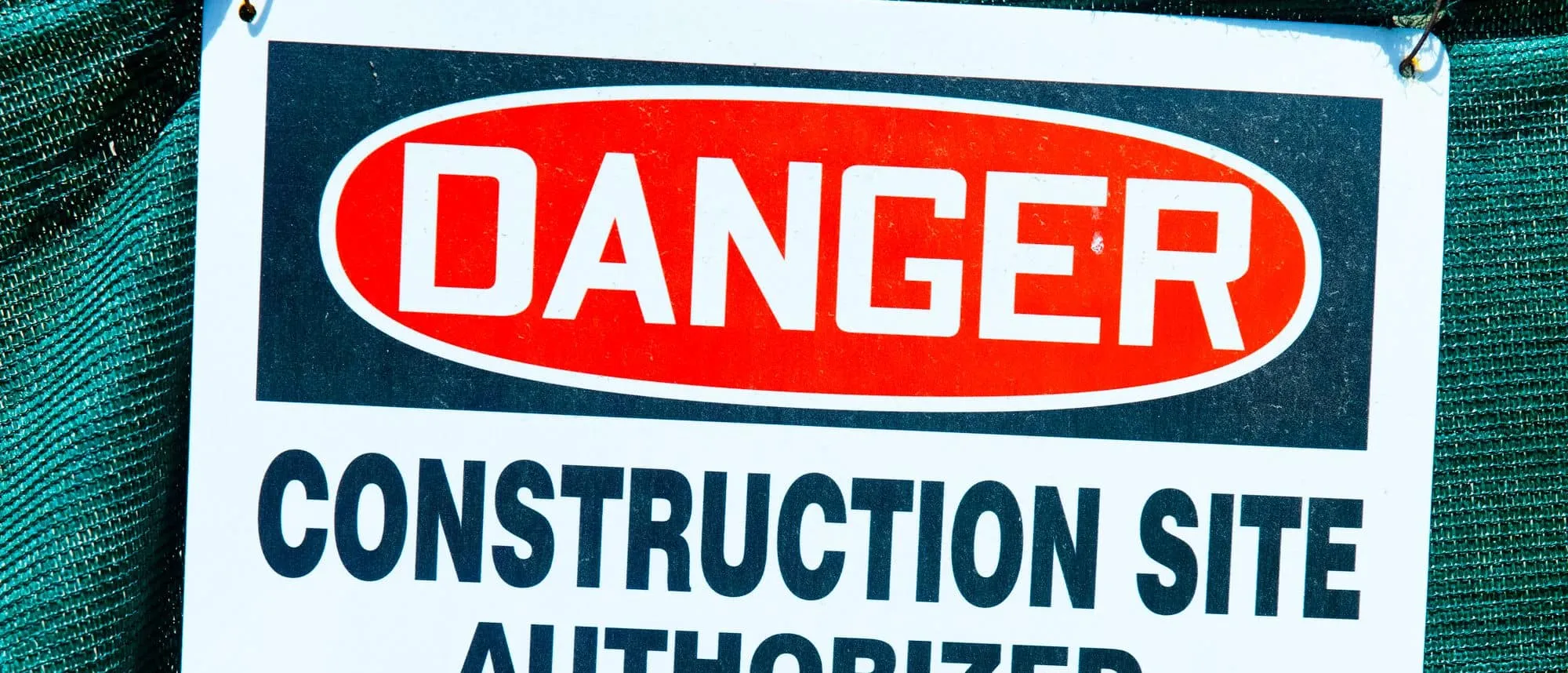
Safety signage
Warning, prohibition, mandatory and emergency signs for sites, warehouses and workshops. Bilingual.
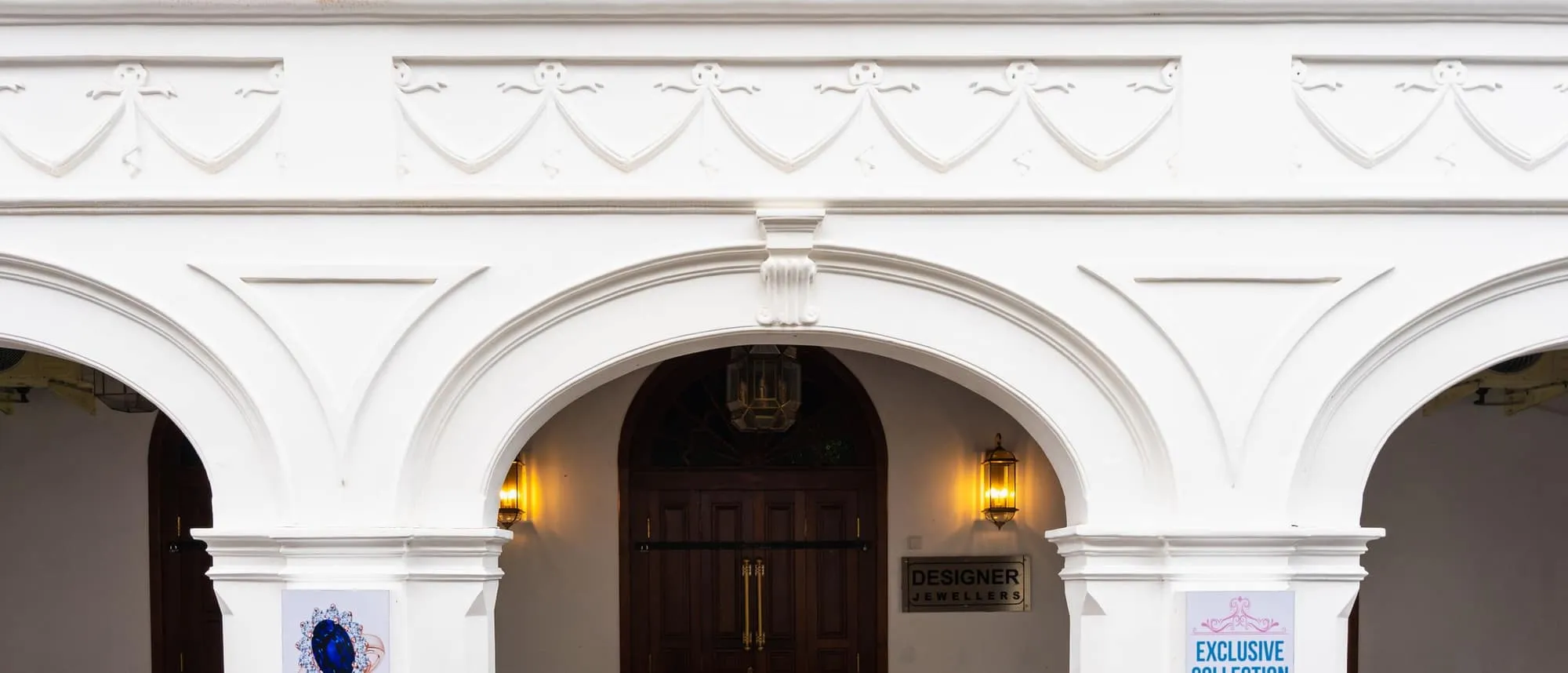
Shopfront & office signage
Fascia, projecting signs, door and window graphics — the exterior set, consistent.
Get a price for this
Send your specification, or a photo of what you use now. You will get a written price with the exact specification listed against it.